
When a catastrophe event hits — a hurricane, tornado outbreak, hailstorm, or wildfire — insurance claims operations shift into a different gear. Inbound volumes spike, reserves need to be set quickly, and leadership needs visibility across an inventory that can grow from dozens to thousands of claims within hours. The difference between a smooth CAT response and an operational scramble often comes down to how fast your claims administration system can adapt to the event.
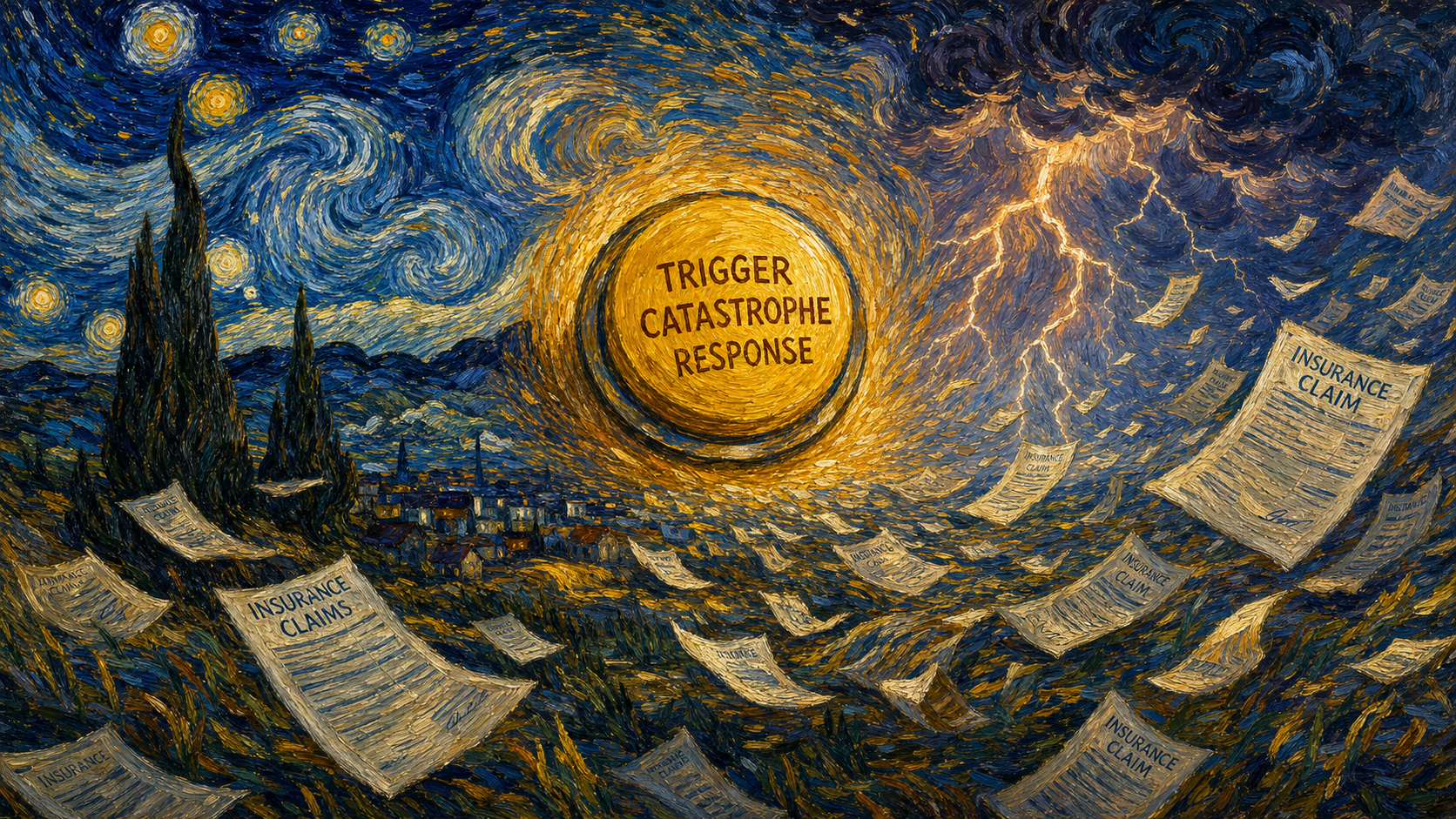
That's where Mercury's single-click catastrophe classification capability matters. Rather than manually updating each claim or running batch processes after the fact, claims teams can trigger CAT classification across the relevant inventory in a single action — flagging claims for event-based tracking, reserving guidance, and operational reporting the moment a CAT event is declared.
Catastrophe classification is not just a label. Once a claim carries a CAT code, it changes how that claim moves through the administration system:
When classification is slow or manual, these downstream dependencies get backed up. Adjusters spend time on administrative updates instead of actual claim work. Reserve accuracy suffers because decisions are made on incomplete event data. And executive reporting reflects yesterday's picture rather than the current operational state.
In Mercury, CAT classification is designed to be fast and governed at the same time. When a claims manager or operations supervisor identifies an event, they can assign a CAT code to the event — defining the geographic scope, event type, and effective date — and then push that classification to all matching claims in a single action.
The system applies the classification consistently, which means:
For carriers managing a large geographic book or multi-state program business, that consistency is the difference between a controlled CAT response and one that takes days to organize.
One concern operations teams sometimes raise about bulk classification is governance — if you can reclassify hundreds of claims at once, how do you prevent errors or misuse? Mercury's approach is to couple the speed with structured controls:
This matters for compliance-driven environments where regulators or reinsurers may audit how CAT events were declared and managed.
Single-click CAT classification is most effective when it's integrated with the rest of the claims administration workflow, not bolted on as a separate feature. In Mercury, CAT classification connects to reserving workflows, adjuster task queues, payment processing, and reporting — so the downstream effects of classification happen automatically rather than requiring a second round of manual updates.
For TPAs managing programs on behalf of multiple carriers, that integration is especially important. Each carrier may have different CAT handling rules, reserve standards, and reporting requirements. Mercury supports that kind of multi-client configuration so the same event can be managed consistently across different program environments.
If your claims administration system requires manual claim-by-claim updates to respond to a CAT event, that's a process bottleneck that compounds under pressure. Ask your platform vendor how catastrophe classification works at scale — how fast it can be triggered, how consistently it's applied, and what audit controls exist. The answer tells you whether your claims operation is built for normal weather or designed to hold steady when conditions are anything but.
Mercury is built to help carriers, MGAs, and TPAs manage policy and claims operations with the speed and governance that modern insurance requires. If you'd like to see how single-click CAT classification and other claims administration capabilities work in Mercury, Quick Silver Systems can walk you through a claims scenario.


 Prior
Prior 