
Catastrophe events create a uniquely hard operating environment for claims leaders. Volume spikes, adjuster capacity is stretched, and every downstream partner wants timely status updates. The fastest teams don’t just add headcount — they standardize decisions so work moves the same way every time.
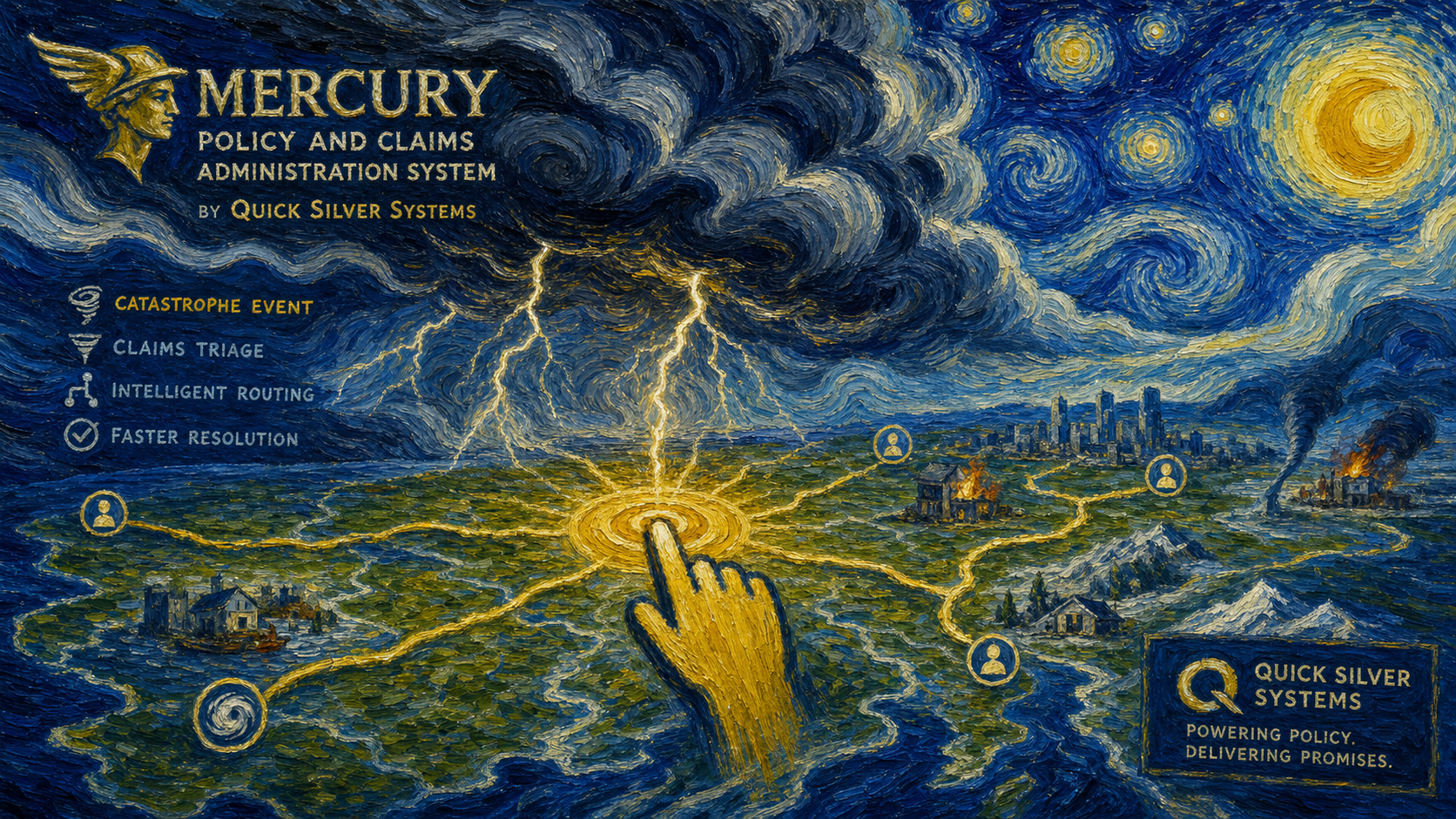
Mercury supports single-click catastrophe (CAT) classification to help P&C carriers, MGAs, and TPAs quickly tag an event and apply consistent handling rules across the portfolio.
During an event, the biggest risk is inconsistency. If one group codes claims as “CAT” and another doesn’t, triage breaks down: queues become noisy, vendor assignments drift, and reporting becomes less trustworthy. A simple classification action becomes the trigger for a whole chain of operational controls.
A quick classification is valuable because it can immediately drive workflow. When teams can mark an event reliably, they can:
Classification is only step one. The outcomes you want depend on the playbook attached to the CAT flag. A useful triage playbook typically includes:
CAT surges often generate duplicate documents, late-arriving loss details, and changing contact information. While generative AI triage and summarization can be part of an industry playbook, the immediate win is making the core classification and routing consistent. That consistency reduces “noise” in queues and lets teams focus on what actually changes outcomes.
Even though catastrophe response feels like a claims-only exercise, policy and billing data quickly become part of the operational picture. Coverage changes, reinstatements, and payment status can affect how work is prioritized and communicated. When core systems stay aligned, claim handlers spend less time chasing status and more time moving files forward.
When a CAT hits, leadership needs confidence that the organization is working the plan. A strong process typically includes:
CAT reporting isn’t about generating more dashboards — it’s about answering practical questions: How many claims are open by geography and severity? Where are cycle times slipping? Which vendors are backlogged? Consistent classification improves the quality of those answers because it reduces category drift and makes comparisons reliable across teams.
Event response also increases document volume: estimates, photos, invoices, and status updates arrive rapidly. Mercury’s document imaging and NLP extraction capabilities can help reduce manual rekeying and keep critical information accessible for handlers and supervisors as volume ramps up.
If you’re preparing for the next event season, start with two questions:
With single-click CAT classification tied to a clear triage playbook, claims teams can move faster under pressure — without sacrificing consistency, compliance, or reporting accuracy.


 Prior
Prior 